区块链游戏(Blockchain Games)是近年来兴起的一种新型电子游戏,它利用区块链技术赋予游戏更多的可能性和透明度。在这里,我将为您撰写一份关于区块链游戏的英文解说稿。这份解说稿将涵盖区块链游戏的基本概念、其运作方式、主要特点以及未来发展趋势等。

---

**Introduction to Blockchain Games**

Hello everyone, and welcome to our exploration of Blockchain Games! Today, we will dive into the fascinating world of gaming powered by blockchain technology. 

**What Are Blockchain Games?**

Blockchain games are video games that use blockchain technology to secure the ownership and trade of in-game assets. Unlike traditional video games where players do not have true ownership of their digital assets, blockchain games enable players to truly own their items in a decentralized manner.

**How Do Blockchain Games Work?**

At the core of blockchain games is a decentralized ledger that records all transactions related to the in-game assets, be it skins, characters, or virtual land. Here’s how it generally works:

1. **Smart Contracts**: Most blockchain games utilize smart contracts, which are self-executing contracts with the terms directly written into code. This ensures that in-game transactions are transparent and immutable.

2. **Digital Ownership**: Players can buy, sell, and trade digital assets on various marketplaces. For example, if you earn a rare item, you can sell it to other players, and that transaction will be secured by the blockchain.

3. **Play-to-Earn**: Many blockchain games adopt a play-to-earn model. Players can earn cryptocurrency or other rewards through gameplay, which they can then exchange or utilize within or outside the game environment.

**Key Features of Blockchain Games**

1. **True Ownership**: Players have true ownership of their in-game assets. Even if the game shuts down, players can retain their items, unlike traditional games where assets are lost.

2. **Transparency**: Blockchain technology allows for a transparent gaming ecosystem. Every transaction is recorded on the blockchain, ensuring players can verify the legitimacy of their assets.

3. **Interoperability**: Some games are designed to work together. For example, an item earned in one game may be transferable and usable in another, creating a broader gaming experience.

4. **Decentralization**: Unlike traditional games controlled by a single entity, blockchain games are often decentralized. This means that the community can have a say in game development and regulations.

**Popular Blockchain Games**

1. **Axie Infinity**: This is one of the most well-known blockchain games, where players breed, raise, and battle cute creatures called Axies. Players can earn AXS (Axie Infinity Shards) by participating in battles and tournaments.

2. **The Sandbox**: This game allows players to create, own, and monetize their gaming experiences. Users can create assets using the VoxEdit tool and sell them in the Sandbox marketplace.

3. **Decentraland**: In Decentraland, players can explore a virtual world, buy land, build various structures, and monetize their creations.

**The Future of Blockchain Games**

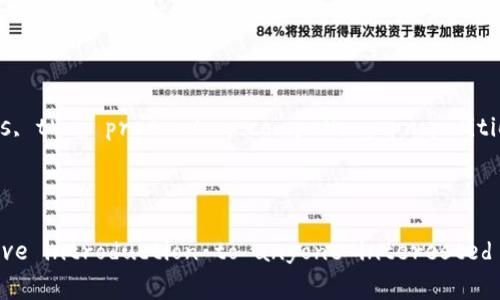
As blockchain technology continues to evolve, the future of blockchain games appears promising. Developers are constantly exploring new ways to enhance the player experience, and as more gamers become aware of the benefits of blockchain, the adoption rate is expected to rise.

Several factors will influence the growth of blockchain games:

1. **Regulation**: Governments worldwide are still determining how to regulate cryptocurrencies and blockchain-related activities. Clear regulations could foster growth and build player trust.

2. **Technological Advancements**: As blockchain technology improves, games will be able to offer better graphics and smoother gameplay, making it more appealing to traditional gamers.

3. **Community Engagement**: Successful blockchain games often have active communities. Developers must continue to engage their player base and respond to feedback.

**Conclusion**

In conclusion, blockchain games represent a significant shift in the gaming landscape. With true ownership, transparency, and the potential for players to earn rewards, they present a compelling proposition for gamers and developers alike. As we move forward, the integration of blockchain in gaming could alter how we perceive ownership and value within virtual worlds.

---

This script introduces the concept of blockchain games, explaining their mechanics, benefits, prominent examples, and their potential future. It serves as a comprehensive introduction to anyone interested in understanding this revolutionary gaming trend. If you need further assistance or details, feel free to ask!区块链游戏(Blockchain Games)是近年来兴起的一种新型电子游戏,它利用区块链技术赋予游戏更多的可能性和透明度。在这里,我将为您撰写一份关于区块链游戏的英文解说稿。这份解说稿将涵盖区块链游戏的基本概念、其运作方式、主要特点以及未来发展趋势等。

---

**Introduction to Blockchain Games**

Hello everyone, and welcome to our exploration of Blockchain Games! Today, we will dive into the fascinating world of gaming powered by blockchain technology. 

**What Are Blockchain Games?**

Blockchain games are video games that use blockchain technology to secure the ownership and trade of in-game assets. Unlike traditional video games where players do not have true ownership of their digital assets, blockchain games enable players to truly own their items in a decentralized manner.

**How Do Blockchain Games Work?**

At the core of blockchain games is a decentralized ledger that records all transactions related to the in-game assets, be it skins, characters, or virtual land. Here’s how it generally works:

1. **Smart Contracts**: Most blockchain games utilize smart contracts, which are self-executing contracts with the terms directly written into code. This ensures that in-game transactions are transparent and immutable.

2. **Digital Ownership**: Players can buy, sell, and trade digital assets on various marketplaces. For example, if you earn a rare item, you can sell it to other players, and that transaction will be secured by the blockchain.

3. **Play-to-Earn**: Many blockchain games adopt a play-to-earn model. Players can earn cryptocurrency or other rewards through gameplay, which they can then exchange or utilize within or outside the game environment.

**Key Features of Blockchain Games**

1. **True Ownership**: Players have true ownership of their in-game assets. Even if the game shuts down, players can retain their items, unlike traditional games where assets are lost.

2. **Transparency**: Blockchain technology allows for a transparent gaming ecosystem. Every transaction is recorded on the blockchain, ensuring players can verify the legitimacy of their assets.

3. **Interoperability**: Some games are designed to work together. For example, an item earned in one game may be transferable and usable in another, creating a broader gaming experience.

4. **Decentralization**: Unlike traditional games controlled by a single entity, blockchain games are often decentralized. This means that the community can have a say in game development and regulations.

**Popular Blockchain Games**

1. **Axie Infinity**: This is one of the most well-known blockchain games, where players breed, raise, and battle cute creatures called Axies. Players can earn AXS (Axie Infinity Shards) by participating in battles and tournaments.

2. **The Sandbox**: This game allows players to create, own, and monetize their gaming experiences. Users can create assets using the VoxEdit tool and sell them in the Sandbox marketplace.

3. **Decentraland**: In Decentraland, players can explore a virtual world, buy land, build various structures, and monetize their creations.

**The Future of Blockchain Games**

As blockchain technology continues to evolve, the future of blockchain games appears promising. Developers are constantly exploring new ways to enhance the player experience, and as more gamers become aware of the benefits of blockchain, the adoption rate is expected to rise.

Several factors will influence the growth of blockchain games:

1. **Regulation**: Governments worldwide are still determining how to regulate cryptocurrencies and blockchain-related activities. Clear regulations could foster growth and build player trust.

2. **Technological Advancements**: As blockchain technology improves, games will be able to offer better graphics and smoother gameplay, making it more appealing to traditional gamers.

3. **Community Engagement**: Successful blockchain games often have active communities. Developers must continue to engage their player base and respond to feedback.

**Conclusion**

In conclusion, blockchain games represent a significant shift in the gaming landscape. With true ownership, transparency, and the potential for players to earn rewards, they present a compelling proposition for gamers and developers alike. As we move forward, the integration of blockchain in gaming could alter how we perceive ownership and value within virtual worlds.

---

This script introduces the concept of blockchain games, explaining their mechanics, benefits, prominent examples, and their potential future. It serves as a comprehensive introduction to anyone interested in understanding this revolutionary gaming trend. If you need further assistance or details, feel free to ask!